

The smart system in the airport
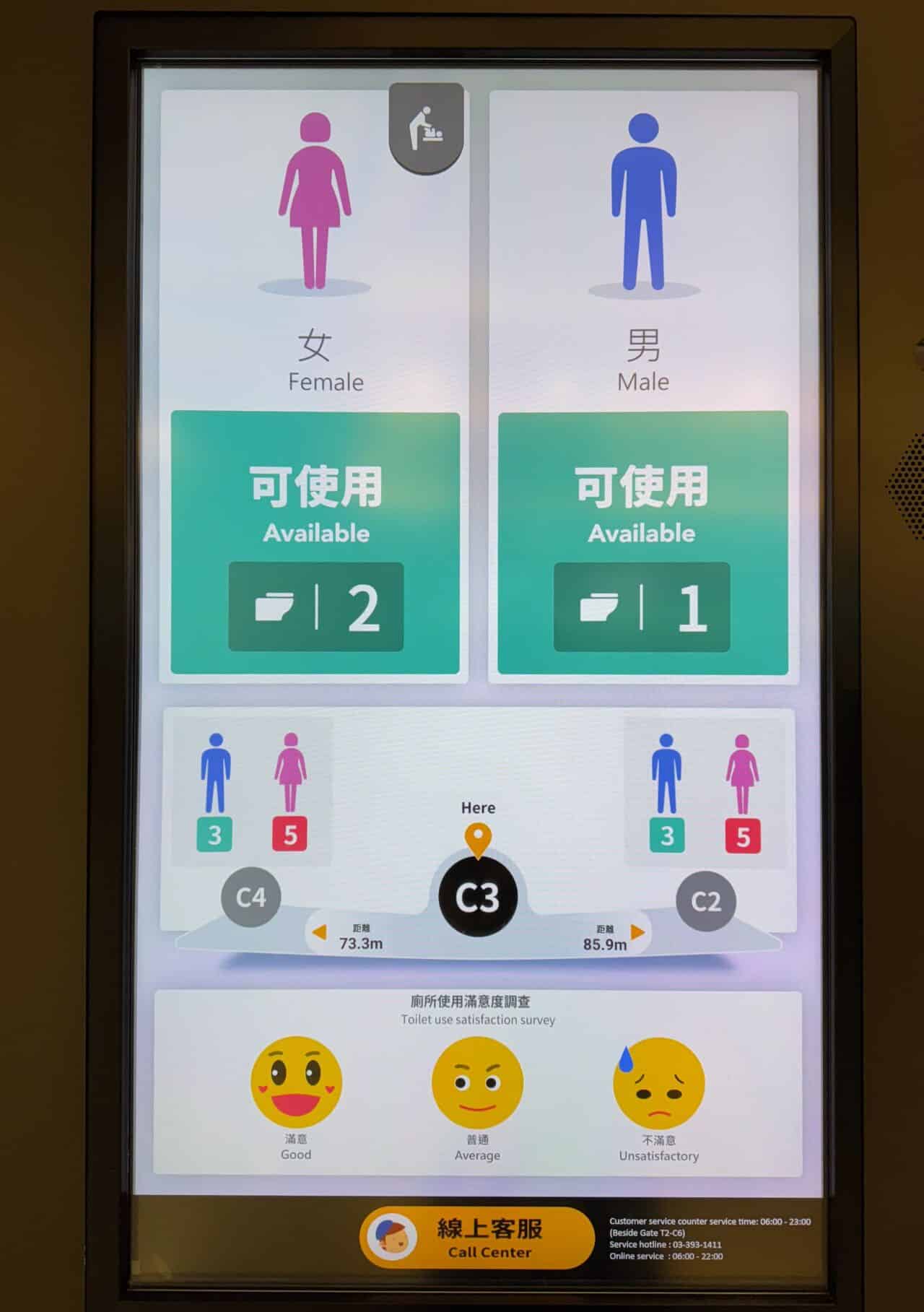
✈️ Traveling back from my hometown, I came across something quietly impressive at Taoyuan International Airport — a live monitoring system displayed just outside the restrooms.
The screen showed real-time stall availability — not just for that location, but also for nearby gates. It was intuitive, efficient, and genuinely helpful in a busy terminal.
📸 (See image) — One small UI suggestion: the women’s availability count was shown in red, which could be misinterpreted as “occupied” or “unavailable.” A simple fix? Just use the same color already applied to availability counters for the other restrooms — consistency improves clarity, especially in fast-paced environments.
Curious, I looked into it more and discovered it’s part of a smart restroom initiative that recently won international recognition from the Japan Toilet Association. Behind the screen is a full ecosystem of:
• People flow sensors
• Humidity and odor detectors (very needed!)
• Toilet paper level monitors
• All powered by 4G NB-IoT for instant alerts and predictive cleaning
It’s a great example of how AI and UX can work together to solve real, human problems — quietly and effectively.
And Taoyuan Airport isn’t alone.
🛫 More airports around the world are implementing smart restroom systems to improve operational efficiency, passenger comfort, and sustainability:
💡 1. Improved Efficiency & Maintenance
– Real-time data on usage, cleanliness, and supplies
– Touchless faucets help avoid water waste by running only when needed
– Automated alerts for cleaning and restocking
– Predictive analytics to optimize layouts and schedules
– Touchless fixtures to reduce germs and maintenance
😊 2. Enhanced Passenger Experience
– Cleaner, better-stocked restrooms
– Stall sensors reduce wait times and crowding
– Real-time feedback tools to resolve issues faster
– Health-forward design: hands-free, hygienic, and inclusive
🌱 3. Cost Savings & Sustainability
– Smarter scheduling = reduced labor waste
– Data-driven inventory = less product waste
– Sensor-activated systems = lower water and energy use
🤖 4. Tech in Action
– TRAX Analytics and others offer integrated restroom monitoring solutions
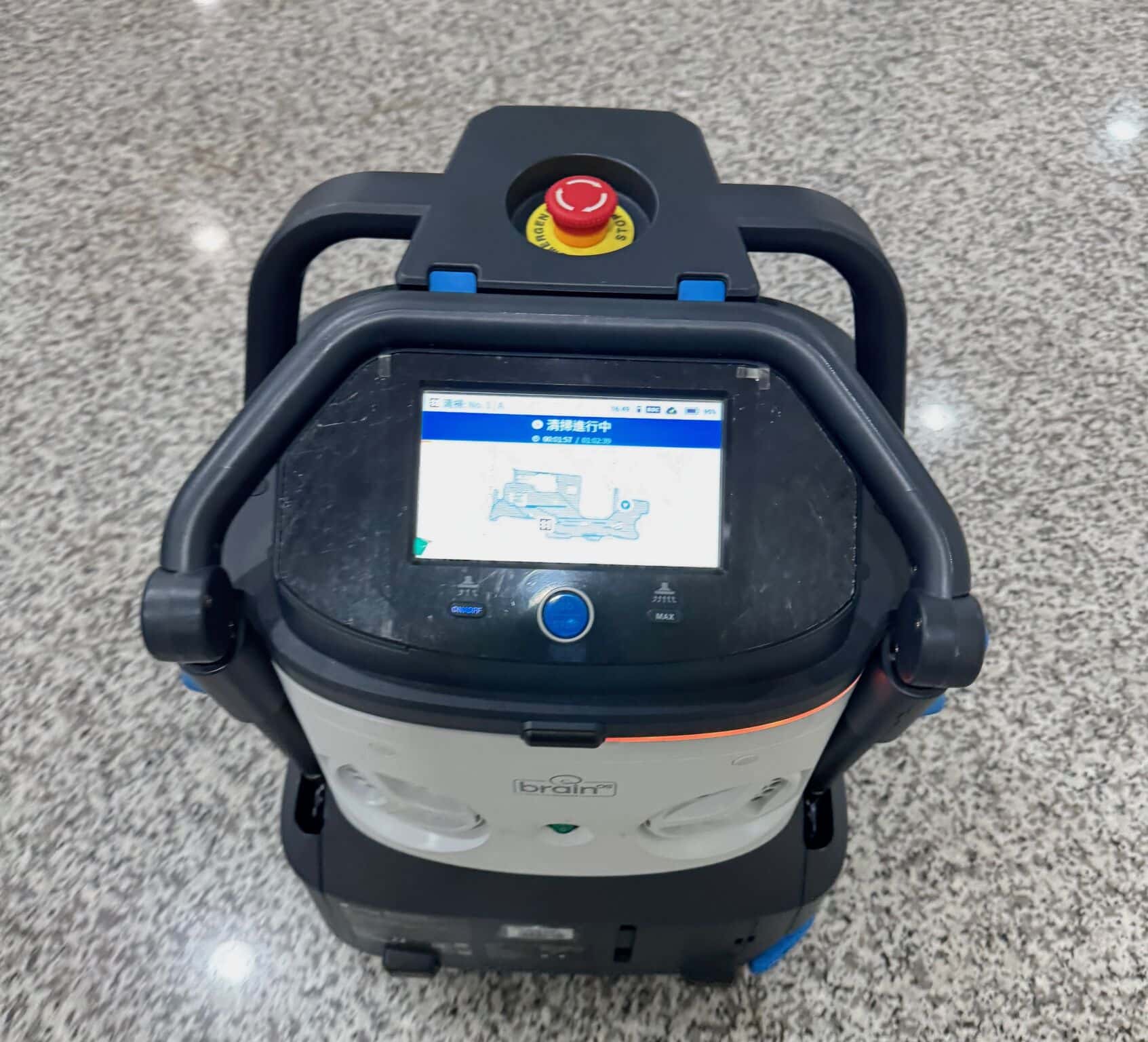
– Autonomous robots handle routine cleaning (See picture 2)
– ToF and PIR sensors for accurate occupancy tracking
– Digital signage to guide, inform, and reassure
—
When we think of innovation, we often picture big, flashy breakthroughs. But sometimes, it’s a restroom that quietly reflects thoughtful design, invisible intelligence, and a commitment to making public space feel more human.
AI and UX are not just about what’s possible — they’re about making the everyday better.